the countless confederate and nazi flags on display today in charlottesville should serve as a clear reminder that white supremacists hate this country and they would willingly destroy it, so that they could declare themselves masters in the ashes.
america was founded on, and built by, the brutality of slavery and native genocide. racist violence is deeply ingrained into our society and our systems, and it continues to poison the well of our democracy.
but. america, as an idea, still has a central promise: the equality of humankind. the right of individuals to live freely and with dignity. a dream of uplift for the downtrodden. this is the dream at the heart of this country, one that we have never yet attained, but one that we’ve continued to strive for, struggle for, march and vote and die for, in hope. white supremacists hate this dream. they hate america’s soul. they worship the shell, but hate the heart of this country. they hate our hope.
and the truth is, white supremacy will kill us all if we don’t fight it here, now, constantly, on every field there is. it will destroy us, body and soul, and steal our futures. it’s what built our school-to-prison “pipeline” and runs the war on drugs for profit. it’s what decides to strip-mine foreign soil and leave the ground poisoned, or deny life-saving drugs to overseas markets, or levy a “global gag rule” that kills women. white supremacists want to sit at the top of a mountain, alone; they don’t care what it’s like at the bottom. they don’t care if there is anything left.
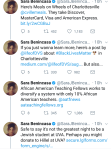
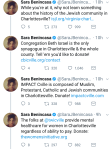
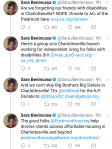
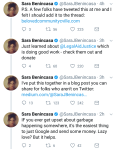
want to do something right now?
you can support Charlottesville’s chapter of Showing Up for Racial Justice: https://m.facebook.com/surjcville/
you can also find your local chapter of SURJ: https://showingupforracialjustice.nationbuilder.com/one_time_donations
you can support Charlottesville’s chapter of Black Lives Matter: https://www.facebook.com/CvilleBLM/
you can also find your local chapter of BLM: http://blacklivesmatter.com/find-chapters/
we can’t be too afraid to act. and us white folks absolutely cannot think of this as someone else’s fight. we own this. it is our duty to fight white supremacists; our duty to protect each other against them. if we want justice, if we believe in america, then it is our responsibility to keep reaching out, together, towards our unfulfilled dream. we have no time to waste.
















 Hearseeno